
Short version: The small symbol next to the card number is the rarity. Circle is common, diamond is uncommon, star is rare, and newer sets add more star marks for everything above that. It tells you how often a card comes out of a pack, not what it sells for.
The rest of the small print on a card is in how to read a Pokémon card. One Piece uses letters instead, covered in One Piece card rarities.
Finding it
Bottom of the card, beside the card number. Older cards usually have it in the bottom right corner and newer ones in the bottom left. It's tiny, so use a decent light.
The three that never changed
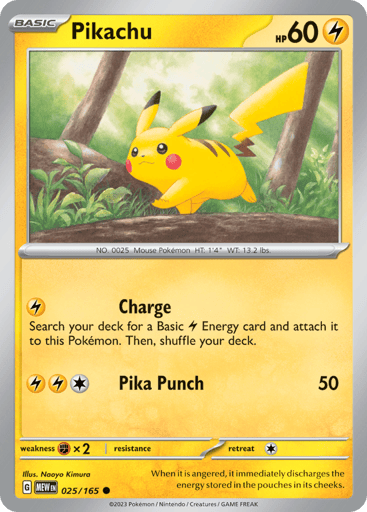
- Circle: common. Most of what's in a pack.
- Diamond: uncommon. A few in each pack.
- Star: rare. The scarcer cards in a pack.
English cards have carried these since the first sets and they still mean the same thing.
Older sets: one star, many kinds of card
For many years a single star was as high as the symbol went. It sat on a plain rare, a holo rare, and the full art and special cards above them. On those sets the star only says "rare or better".
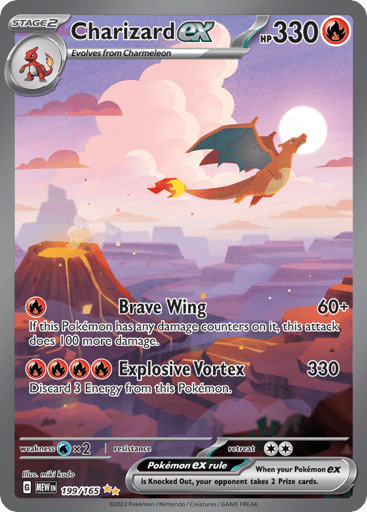
The card itself tells you the rest. Check whether the picture is holo, whether the art covers the whole card, and whether the card number is higher than the set total printed next to it. A number above the set total marks a secret rare.
Newer sets spell it out
Starting with the Scarlet and Violet series, the symbol on English cards does more of the work.
- One black star: rare.
- Two black stars: double rare.
- Two silver stars: ultra rare.
- One gold star: illustration rare.
- Two gold stars: special illustration rare.
- Three gold stars: hyper rare.
Some sets add marks of their own, and newer series can add more. If the symbol on your card isn't here, look up the card on its set page and read the rarity there.
The Mega Evolution sets have two rarity names of their own. Mega Hyper Rare sits on the last card number of most sets in the series, like Mega Rayquaza ex 141 in Delta Reign. Mega Attack Rare shows up in Ascended Heroes, on Mega Pokémon ex such as Mega Gengar ex 269. We don't describe their symbols here. The card lists on the Pokémon card price pages name the rarity of every card.
Promos, reverse holos and Japanese cards
Promos come out of boxes, tins, events and other products, not regular packs. Most show a black star with the word PROMO where the rarity symbol would be, and they have their own numbering. Promo doesn't mean scarce. Some were handed out in huge numbers and some were not.
A reverse holo is shiny around the picture and plain on the picture itself. It keeps the regular card's symbol, so a reverse holo common still shows a circle. It's a separate printing with its own price.
Modern Japanese cards skip the symbols and print letters next to the card number: C, U and R, then longer codes like RR, AR, SR and SAR above that. The same artwork can carry a different rarity name in each language. Japanese vs English Pokémon cards has the other differences.
Rarity is not price
Two cards with the same symbol from the same set can sell for very different amounts. One has a popular Pokémon or sought after art. The other doesn't.
So use the symbol to work out which card you have, then look that card up. The Pokémon card price pages list each set with a daily market price per card. How much is my Pokémon card worth? is the full check and how to read a Pokémon card covers the other marks. On a raw card, condition counts as much as rarity (see the card condition guide), and the comparison that matters is against sales, not listings. Sold price vs asking price explains why.
A symbol that looks wrong
Fakes often get the small print wrong. A symbol that's blurry, the wrong shape, or missing on a card whose real copies all have one is a reason to slow down and run the checks in how to tell if a Pokémon card is fake.
Quick answers
What does the star on a Pokémon card mean?
Rare. A circle is common and a diamond is uncommon. Newer sets use more than one star, in different colors, for the rarities above that.
What does it mean if a Pokémon card has no rarity symbol?
Some cards are printed without one, like basic Energy and some cards from decks and promo products. A missing symbol doesn't make a card rare.
Is a rarer card always worth more?
No. Rarity is how often a card comes out of a pack. Price is what people pay for it. Some rares sell for next to nothing and a few commons sell well.
Popular sets: Prismatic Evolutions, 151, Destined Rivals, Evolving Skies, Base Set. Look up a card on the Pokémon card price pages, the One Piece card price pages or the Riftbound card price pages, and read how Bartr prices cards. Bartr is an information tool, not financial advice. See the Terms of Use.
Bartr reads the card for you. Scan it and the app finds the set, the number and the printing, and shows a dated market price for that exact card.
Get the app, or try the trade calculator in your browser first. Neither needs an account.